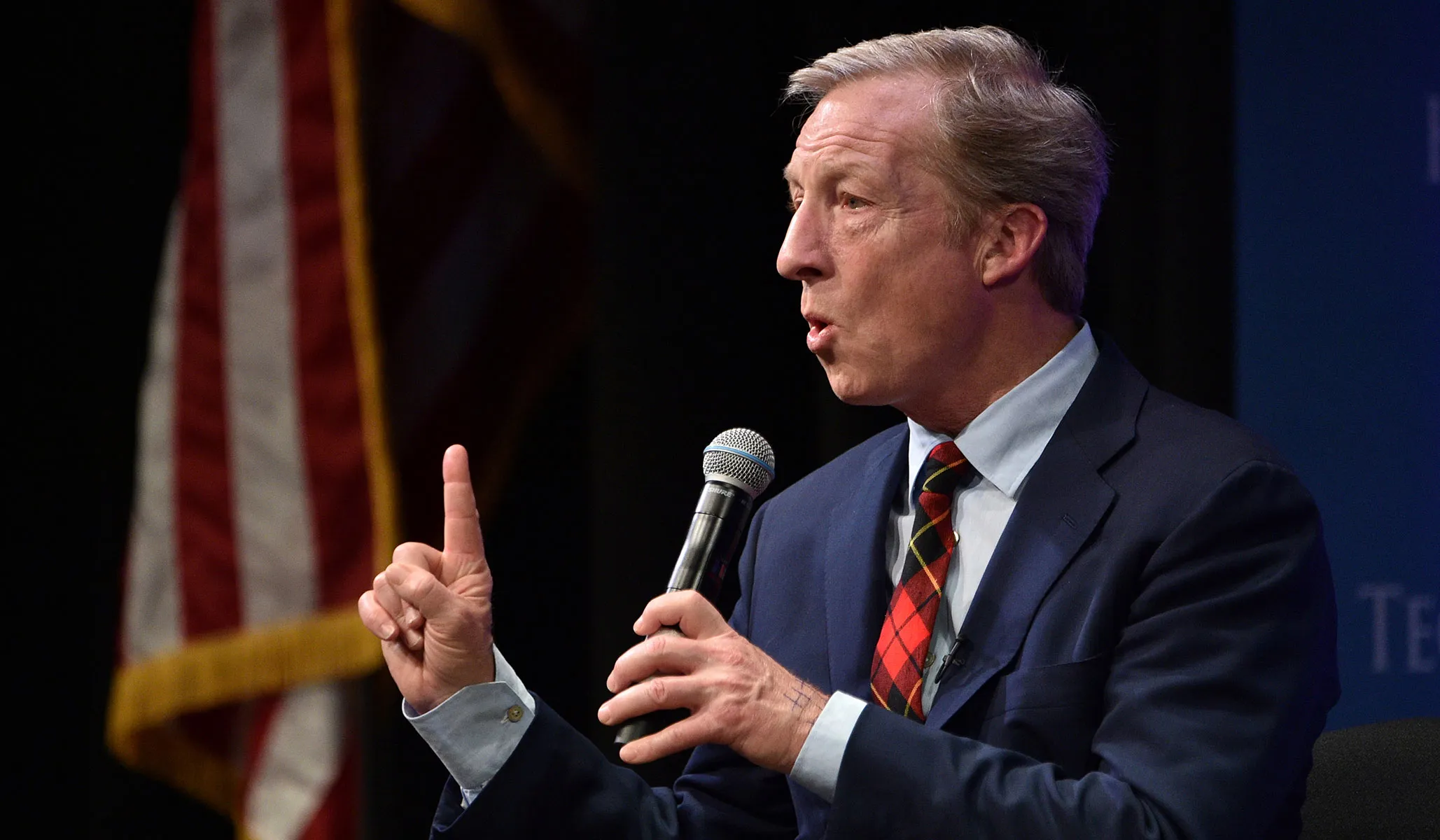

California’s governor’s race in 2026 is shaping up to be one of the most competitive and high-profile contests in recent history, with billionaire business leaders entering the fray and raising questions about the role of wealth in politics. As Governor Gavin Newsom finishes his term, the Democratic primary field is packed with notable figures, including former presidential candidates and, most prominently, billionaire philanthropist Tom Steyer.
Tom Steyer, worth an estimated $2 billion, has launched his campaign with promises to tackle California’s housing crisis, reform utilities, and make corporations pay their “fair share” in taxes. Steyer’s willingness to spend millions of his own money on television ads and redistricting efforts has given him significant visibility, but also sparked criticism that vast wealth can become a shortcut to political power rather than a sign of grassroots support.
California voters have historically been skeptical of wealthy candidates. The state’s complex electorate values authenticity and policy credentials, not just deep pockets. Recent campaigns suggest that massive spending alone does not guarantee election success—especially in a state where Democrats hold a nearly two-to-one advantage over Republicans, and progressive policy debates dominate the conversation.
However, the influence of billionaires in American politics is growing, facilitated by legal shifts that allow for unlimited campaign financing. While money can accelerate ads, outreach, and organization, candidates like Steyer must still demonstrate substantial public trust and clear solutions to problems like affordability and homelessness.
Ultimately, the 2026 California governor’s race will test whether a billionaire can truly spend their way into the state’s highest office, or whether political savvy and public service still hold sway over deep bank accounts. Voters will decide if wealth accelerates reform or simply crowds out the voices of everyday Californians.