


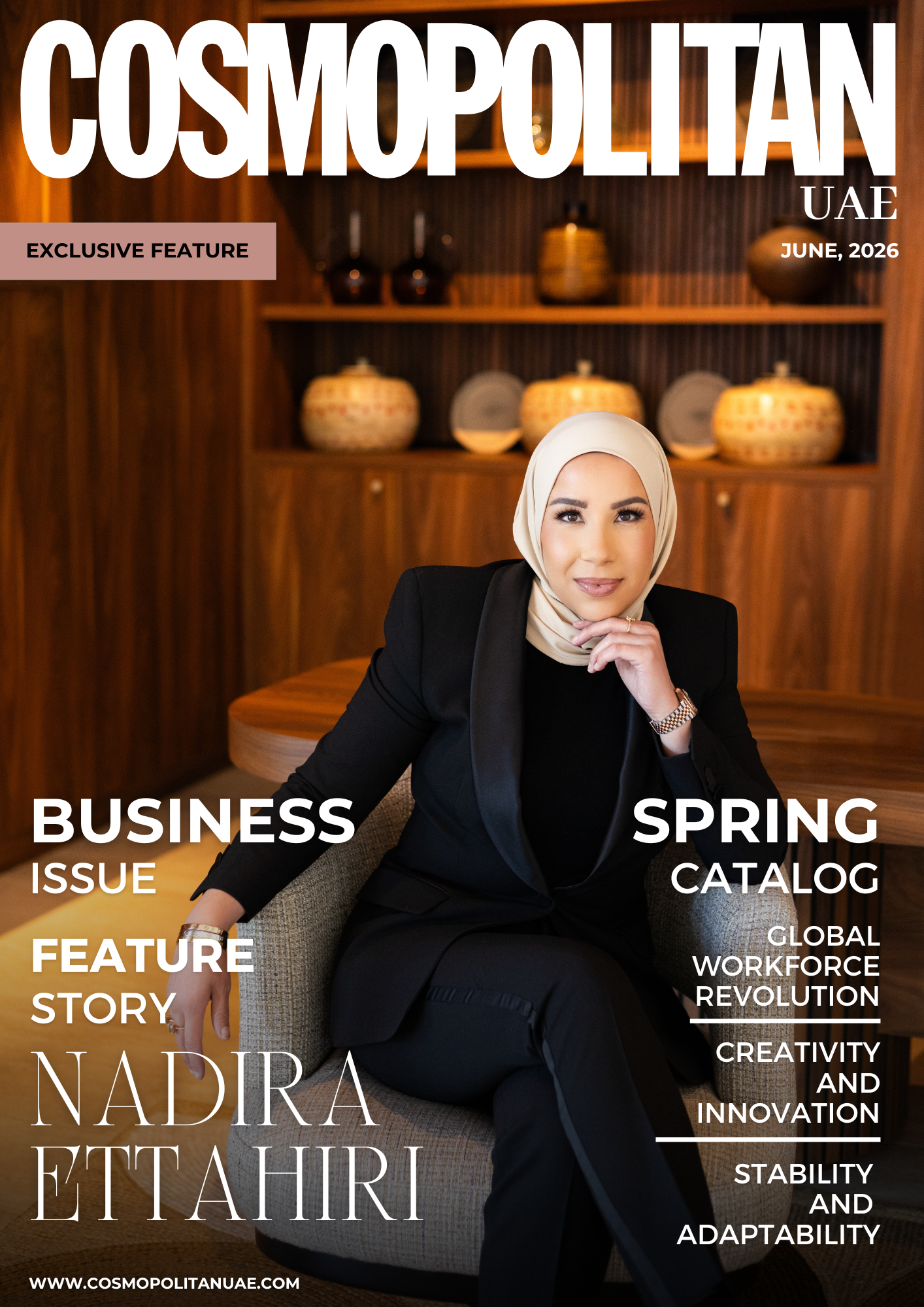
Why Multicultural Talent Is the Greatest Untapped Asset in the Workforce
In today’s rapidly evolving global economy, organizations are increasingly recognizing that innovation, resilience, and sustainable growth are driven by people. Yet for decades, countless highly skilled professionals have remained overlooked, not because of a lack of capability, but because traditional systems have struggled to fully recognize the value of diverse cultural experiences, multilingual abilities, and global perspectives.
We believe that talent exists everywhere. Opportunity does not.
This simple reality continues to shape a new generation of leaders and organizations committed to creating pathways that allow international and multicultural professionals to thrive. As globalization reshapes industries, multicultural talent has emerged as one of the most valuable competitive advantages available to employers worldwide.
The future belongs to organizations that understand how to unlock this potential.
Bridging the Gap Between Potential and Opportunity
Across industries and countries, talented individuals often encounter barriers that have little to do with competence. Language differences, cultural misunderstandings, non-traditional career paths, and unfamiliar professional networks frequently prevent exceptional candidates from accessing meaningful opportunities.
Rather than focusing on perceived limitations, progressive organizations are shifting their attention toward capability, adaptability, and long-term potential.
This transformation requires more than diversity initiatives. It requires a fundamental change in how organizations identify, develop, and empower talent.
By creating inclusive systems that value multicultural perspectives, employers gain access to wider talent pools, stronger problem-solving capabilities, and deeper connections to global markets. The result is not only greater workforce diversity but also stronger organizational performance.
Leadership With Purpose: Opening Doors for Future Generations
Modern leadership is no longer defined by authority alone. The most impactful leaders understand that their role is to create opportunities for others.
Our mission is rooted in a commitment to ensuring that background, circumstance, or access never determines how far someone can go in life. Whether supporting women in leadership, multicultural professionals, individuals returning to work, or young people entering the workforce, the objective remains the same: create pathways that allow talent to flourish.
True leadership is measured not by personal achievement but by the number of people empowered to achieve their own success.
By investing in visibility, mentorship, leadership development, and economic empowerment, organizations can help individuals move beyond barriers and build sustainable careers that create long-term impact for themselves and their communities.
The Reinvention of Workplace Reintegration and Employee Wellbeing
Workplace reintegration has evolved significantly in recent years. What was once viewed primarily as a compliance function is now becoming a strategic pillar of organizational success.
Traditional systems often focused on managing absence. Today’s forward-thinking organizations focus on supporting employee wellbeing before challenges arise.
This shift recognizes an important truth: healthy employees contribute to healthy businesses.
Organizations that prioritize wellbeing create environments where individuals feel valued, supported, and motivated to perform at their highest level. They understand that productivity, engagement, and retention are direct outcomes of positive workplace experiences.
Effective reintegration strategies now include:
- Personalized employee support programs
- Mental health and wellbeing initiatives
- Flexible work arrangements
- Leadership coaching
- Cultural integration support
- Career development planning
- Early intervention and prevention strategies
These approaches not only reduce absenteeism but also strengthen organizational resilience and long-term workforce sustainability.
Creating Inclusive Workplaces Through Intercultural Leadership

As workplaces become increasingly global, leadership models must evolve to meet new realities.
Managing diverse teams requires more than operational expertise. It demands cultural intelligence, empathy, and the ability to unite individuals around a shared purpose.
Successful multicultural organizations understand that diversity alone does not guarantee inclusion. Diverse teams become high-performing teams when leaders create environments built on trust, respect, and accountability.
Shared purpose acts as the foundation for collaboration.
People may come from different countries, speak different languages, and hold different perspectives, but when they are connected to a common mission, diversity becomes a strategic advantage rather than a challenge.
The most effective leaders:
- Encourage open communication
- Value multiple perspectives
- Promote psychological safety
- Build trust across cultural differences
- Foster collaboration through shared goals
- Create opportunities for continuous growth
Through intentional leadership, organizations can transform cultural diversity into innovation, creativity, and sustainable success.
The Future of Work Is Global, Diverse, and Human-Centered
The workplace of the future will be defined by global talent mobility, digital connectivity, and inclusive leadership.
Organizations that continue to recruit, manage, and promote talent through outdated frameworks risk falling behind in an increasingly competitive marketplace.
Forward-thinking companies recognize that multicultural talent is not simply part of a diversity strategy. It is a business strategy.
Global organizations require leaders who understand how to navigate cultural complexity while maintaining high-performance standards. Cultural intelligence is becoming as important as technical expertise.
The companies that thrive over the next decade will be those that:
- Embrace diverse perspectives
- Invest in inclusive leadership development
- Build globally connected teams
- Prioritize employee wellbeing
- Foster innovation through collaboration
- Create equitable pathways to advancement
The future of work belongs to organizations that understand diversity as a source of strength rather than a compliance requirement.
Turning Challenges Into Opportunities for Growth
For many women and multicultural leaders, professional success often involves navigating environments where their capabilities are underestimated.
While such experiences can present obstacles, they can also become powerful catalysts for growth.
Every challenge offers an opportunity to build resilience.
Every barrier creates an opportunity to innovate.
Every closed door presents an opportunity to create a new pathway.
Successful leaders understand that confidence is not granted through permission. It is developed through consistent action, perseverance, and commitment to a larger vision.
By focusing on long-term impact rather than short-term validation, leaders can transform adversity into momentum and use their experiences to inspire future generations.
The goal extends beyond individual success. It involves creating systems where future leaders encounter fewer barriers and greater opportunities.
Why Workplace Wellbeing Is a Business Strategy, Not a Benefit

Organizations increasingly recognize that employee wellbeing directly influences business outcomes.
Companies with healthy workplace cultures experience stronger engagement, lower turnover, increased productivity, and improved organizational performance.
Workplace wellbeing should not be viewed as an optional benefit.
It is a strategic investment.
The strongest organizations understand that people represent their greatest competitive advantage. When employees feel supported, respected, and empowered, they contribute more effectively to organizational goals.
Key drivers of workplace wellbeing include:
Trust-Based Leadership
Employees perform best when they feel trusted and respected.
Meaningful Work
Purpose-driven environments increase engagement and motivation.
Career Development Opportunities
Continuous learning creates confidence and long-term commitment.
Inclusive Workplace Culture
Belonging strengthens employee satisfaction and retention.
Mental Health Support
Proactive wellbeing initiatives improve resilience and performance.
Organizations that invest in these areas build stronger, healthier, and more adaptable workforces.
Practical Steps for Building Truly Inclusive Organizations
Inclusive workplaces are not created through policies alone. They are built through daily leadership decisions.
Leaders seeking to create inclusive cultures should focus on:
Hiring for Potential
Look beyond conventional credentials and recognize transferable skills, adaptability, and future capability.
Listening Before Judging
Create opportunities for employees to share perspectives and experiences openly.
Expanding Access to Opportunity
Ensure development programs, promotions, and leadership pathways are accessible to diverse talent.
Encouraging Authenticity
Allow employees to bring their full identities and experiences to the workplace.
Developing Inclusive Leaders
Equip managers with the skills necessary to lead across cultures and backgrounds effectively.
When inclusion becomes embedded in organizational culture, businesses unlock greater innovation, stronger engagement, and higher performance.
A Global Vision for Economic Empowerment and Leadership
The future requires more than employment opportunities. It requires systems that create long-term economic empowerment, leadership development, and social mobility.
Our vision extends beyond individual career advancement.
We envision a world where women occupy leadership positions at every level of decision-making. A world where multicultural professionals are represented across industries and sectors. A world where future generations grow up believing that leadership is something they step into, not something they wait to receive.
Through entrepreneurship, advocacy, workplace innovation, and inclusive leadership, we are building pathways that connect talent with opportunity.
Because lasting change happens when individuals are empowered to create opportunities not only for themselves but also for others.
Conclusion: Building Bigger Tables for the Future
The future of leadership is inclusive.
The future of work is multicultural.
The future of organizational success depends on the ability to recognize, develop, and empower talent from every background.
By embracing diversity as a strategic advantage, investing in workplace wellbeing, and creating pathways for underrepresented talent, organizations can unlock extraordinary potential.
The goal is not simply to make room at existing tables.
The goal is to build bigger tables where everyone has the opportunity to contribute, lead, and thrive.
The organizations and leaders who embrace this vision today will shape the workforce, economy, and society of tomorrow.
Talent exists everywhere. Opportunity must too.